Retail strategy for independent optical practices hello@opticalretailconsultants.com
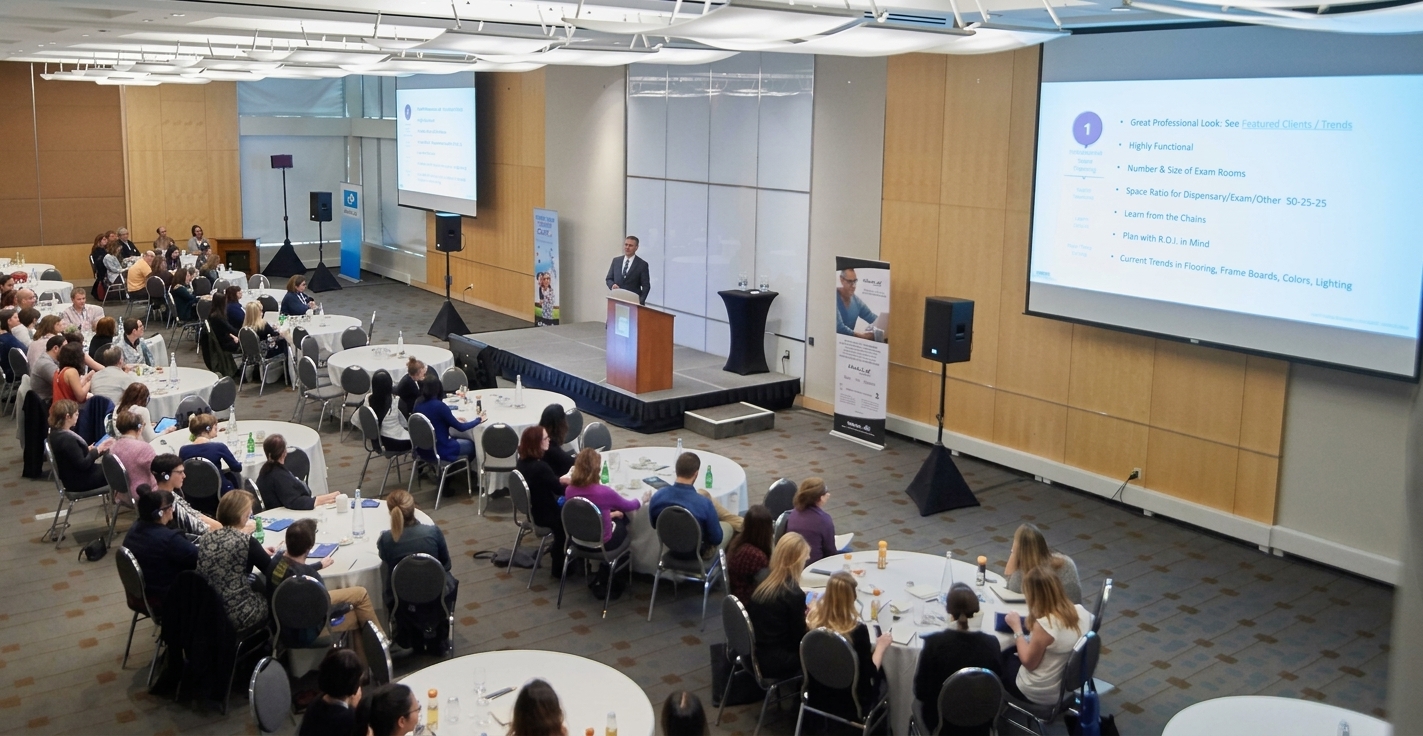
Mani Vaghedi presenting optical space planning to a room of eyecare professionals
For independent optical practice owners

Your optical dispensary should be the most profitable room in the practice.

DiscoveryAnalysisImplementation

Experience 0 years Inside optical retail
Installed 0 practices Fitted out across the US and Canada
Practice ownership Built & sold A multi-location optometry group, exited to EyeCare Partners
Teaching ECP faculty Continuing education for eyecare professionals
What we actually do

We concentrate on the business side of your practice, so you can focus on the clinical side.

Optical Retail Consultants offers professional guidance for independent optometry practices. Based in Northern Virginia, we build and rebuild the commercial side of the practice — the dispensary — across eight pillars: space planning, inventory strategy, displays, lighting, merchandising, staff sales training, KPIs, and marketing.

You went to school to take care of eyes. Nobody taught you inventory turn, planogram design, lighting specification or how to train an optician to ask for a second pair. That is the half of the practice we guide you through.

We come to you, measure what's actually happening on your floor, and provide a strategic plan across eight areas — then stay and install it. You keep running the clinical side exactly as you do now.

You keep

Everything clinical

Exams, disease management, contact lens fits, your team, your brand, your patients.

We take

Everything commercial

Layout, inventory, boards, lighting, merchandising, sales training, KPIs and demand.

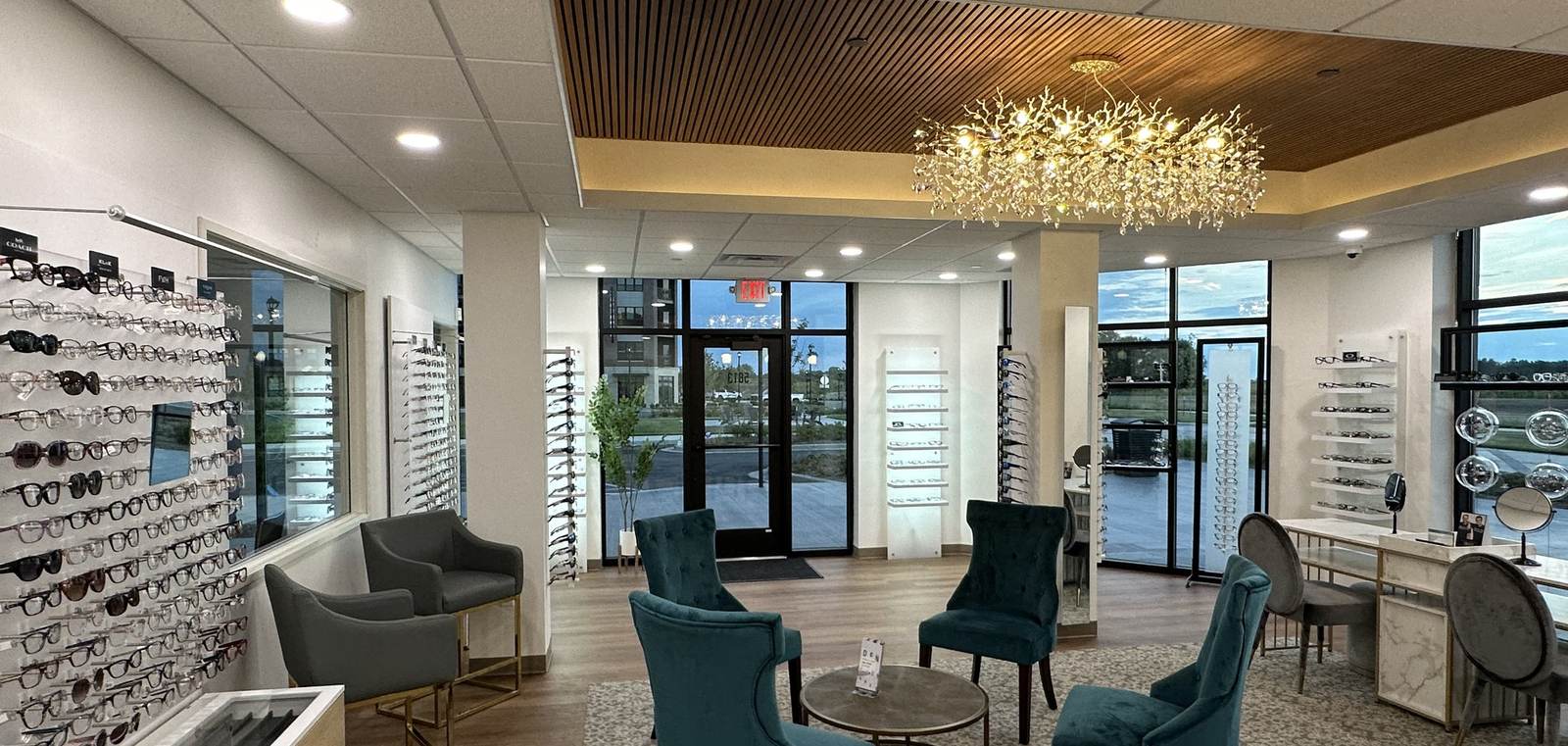
A rebuilt optical floor with illuminated frame walls
Where this comes from

Not theory. Thirty years on the floor.

Forty thousand practices. Eight pillars, refined every time one of them pushed back.

Mani Vaghedi — Founderwith Dr. David Hettler, OD — Senior Consultant
Mani Vaghedi
ECP education session
0
Share of the floor a dispensary should occupy. Most sit near 30.
0
Typical percentage of frames on a board untouched in twelve months.
0
Clients served across the US and Canada. Odds are you've already stood in a room we've built.
0
From first walk-through to a reset floor and a trained team.
The diagnosis

The patients are already there. The revenue isn't.

Most independent practices don't have a traffic problem. They have a conversion problem, an inventory problem and a layout problem — and all three are invisible from behind the exam chair.

LeakWhat's happeningRelative impact

Capture rate nobody measures

Every exam that walks out without eyewear is a sale you already paid to acquire. Most owners can't state their capture rate to within ten points.

Highest impact

Frame boards built by habit

Boards accumulate rather than get designed. Slow movers hold prime sightline space while the frames that actually sell sit below knee height.

High impact

Space allocated backwards

Square footage follows clinical habit instead of commercial logic. The room that generates the margin is usually the smallest one in the building.

High impact

Staff who dispense but don't sell

Opticians are trained on lenses and left to improvise the conversation. Second-pair and premium-lens rates stall as a result.

Moderate impact
The framework

Eight pillars, worked in order.

They're sequential for a reason. Merchandising a badly lit board wastes the merchandising. Training staff to sell inventory you shouldn't own wastes the training. We start at the floor and work up.

Pillar 01

What we deliver
    The model · interactive

    A plan is a drawing. A practice is a path.

    Every engagement starts with a measured floor plan and ends with a built room people move through. Lift the drawing into the build, trace the patient and staff routes it was designed around.

    PatientStaff
    Measured plan · switch to Built + flow →
    3D view unavailable in this browser

    The front door opens straight into a 32-foot optical. Every patient begins and ends among the frames.

    70′7″ × 20′11″ · 32′ optical · drag to orbit, scroll to zoom, click a room

    Practice floor plan

    Click any room to see why it sits where it does.

    Before / after

    The same square footage, rebuilt.

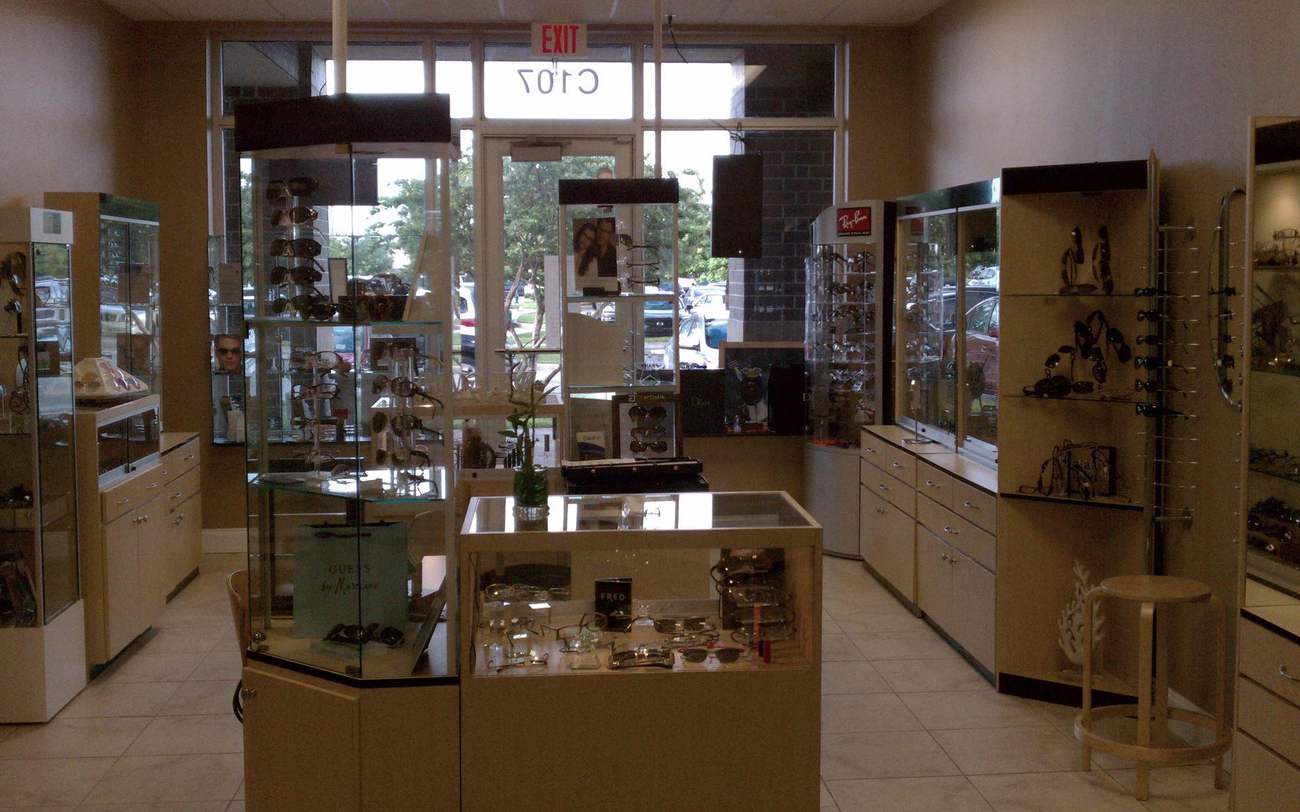
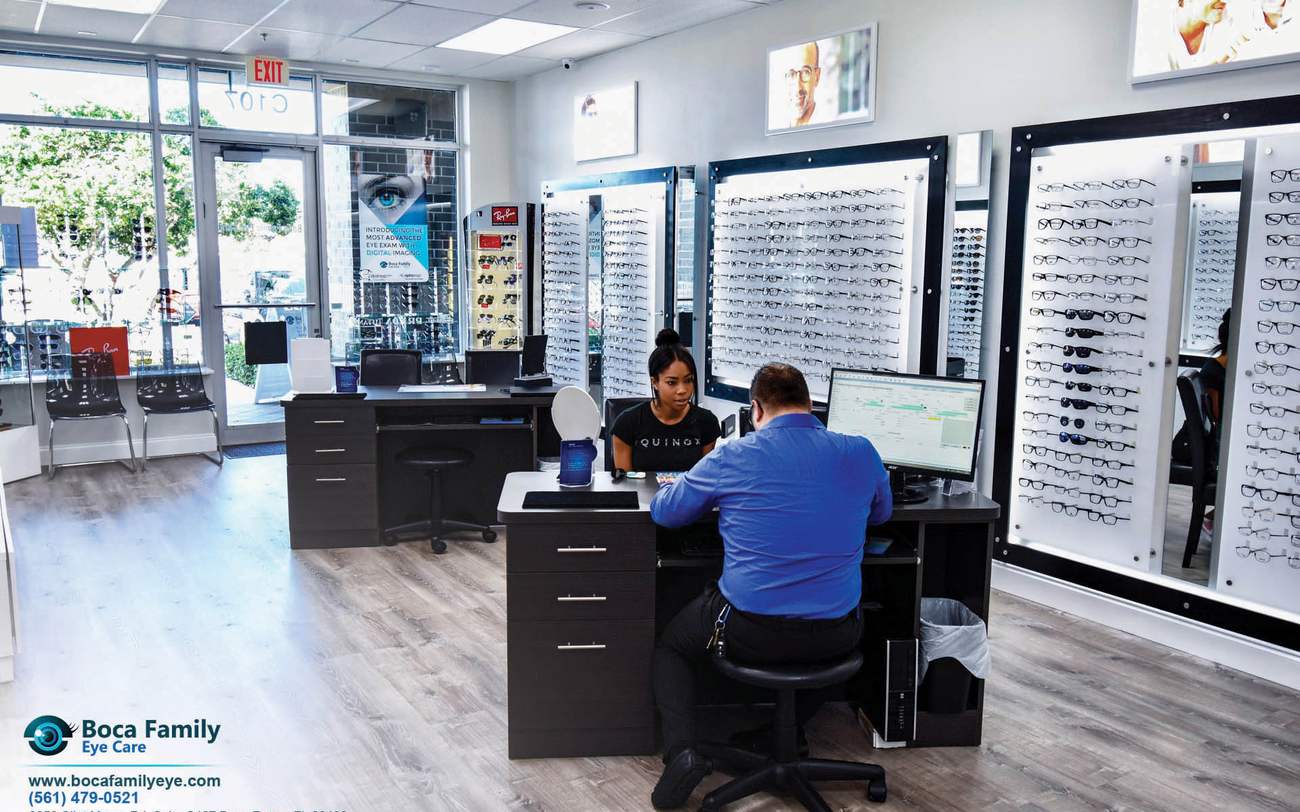
    Boca Family Eye Care, Boca Raton — the whole optical floor, shot from the same end of the room looking toward the entrance. Drag the divider: glass tower cases and oak millwork out, floor-to-ceiling backlit board runs in.

    Boca Family Eye Care dispensary before the rebuild Boca Family Eye Care dispensary after the rebuild BeforeAfter

    Boca Family Eye Care · Boca Raton, FL · photographed before and after installation

    How we work

    Diagnose, redesign, install, measure.

    Every engagement runs the same four stages, whichever of the four services you start with. What changes is how much of the floor we touch — not the method.

    Discovery

    Practice review

    On-site or remote. We pull twelve months of numbers, walk the floor, photograph every board and sit through a full dispensing cycle from greeting to handoff. Nothing gets recommended before it gets measured.

    • Twelve-month sell-through pull
    • Measured floor and sightline study
    • Full dispensing cycle observed
    • Board-by-board photography
    Analysis

    The plan

    A written roadmap across all eight pillars, sequenced by payback rather than by ease — including the things we think you should not spend money on.

    • Scaled floor plan
    • Board planogram
    • Inventory plan
    • Lighting & fixture schedule
    Implementation

    Installation

    Delivered, not just recommended. We negotiate with vendors, specify the fixtures and lighting, run the reset and train the team on the floor.

    • Vendor negotiation and returns
    • Fixture and lighting install
    • Board reset, run on site
    • Staff sales program
    Measurement

    The numbers hold

    A KPI dashboard your team actually maintains. If a change didn't move a number, we say so and we fix it.

    • KPI system, twelve numbers
    • Dashboard build and training
    • Benchmarks by practice type
    • Standing review with the owner

    Which service fits your practice?

    Four ways in — full retail strategy, ongoing advisory, a new build, or a targeted fix. All four run the same four stages.

    See the four services →
    Common questions

    What owners ask us first.

    Straight answers on capture rate, space ratios, frame board turn and lab economics — the numbers that decide whether a dispensary earns or leaks.

    What is an optical capture rate?

    Optical capture rate is the percentage of patients who complete a comprehensive eye exam at a practice and then purchase their eyewear at that same practice's dispensary, rather than leaving with a paper prescription to buy online or from a competitor. It is the single clearest measure of how much of a practice's own exam volume converts into optical revenue. Most independent practice owners cannot state their capture rate to within ten percentage points.

    How much of a practice's floor should the optical dispensary occupy?

    As a working target, the dispensary should occupy roughly 50 percent of the floor, exam space 25 percent, and support space — lab, office, storage and staff areas — the remaining 25 percent. Most independent practices sit closer to 30 percent dispensary, which caps optical revenue no matter how good the assortment is. The ratio shifts with exam-lane count and lab configuration.

    What is a healthy frame board turn rate?

    A healthy independent optical practice should achieve a frame board turn rate between 3.0 and 4.0 — annual frames sold divided by the average number of frames displayed. Below 2.0 indicates overstock, with capital tied up in duplicate or stagnant styles. Above 5.0 usually means boards are running bare and conversion is being lost to under-choice.

    Should an optical practice have an in-house finishing lab or outsource?

    It depends on volume. A tabletop edging system costs roughly $35,000 to $55,000, or about $700 to $1,000 a month financed over five years. If in-house finishing saves about $30 per single-vision job against a wholesale lab, a practice needs roughly 30 jobs a month to break even on the equipment alone, before labour, consumables and breakage. Many practices do best with a hybrid model: edging stock single-vision lenses in-house and ordering surfaced uncuts for complex prescriptions.

    Why do independent optical practices lose revenue on the dispensary?

    Four leaks account for most of it: capture rate nobody measures, frame boards built by accumulation rather than design, floor space allocated by clinical habit instead of commercial logic, and opticians trained on lenses but never on the dispensing conversation. All four are invisible from behind the exam chair, which is why they persist in otherwise healthy practices.

    What are the eight pillars of optical retail consulting?

    The eight pillars are space planning, inventory strategy, displays, lighting, merchandising, staff sales training, KPIs, and marketing and AI visibility. They are worked in sequence rather than in parallel, because each assumes the one before it is already right — merchandising a badly lit board wastes the merchandising, and training staff to sell inventory a practice should not own wastes the training.

    Who is Optical Retail Consultants?

    Optical Retail Consultants is a consultancy for independent optometry practices based in Sterling, Virginia, working across the United States and Canada. It is led by Mani Vaghedi, founder and CEO of CNS, who has spent more than thirty years designing eyecare retail environments in over 40,000 practices, and Dr. David H. Hettler, OD, an optometrist who built and sold a multi-location practice group to EyeCare Partners.

    Resources

    The thinking, published.

    Nine guides by Dr. David Hettler and Mani Vaghedi on the decisions independent owners actually face — frame board economics, pricing architecture, lab break-even, leases, expansion, acquisition and relocation. Three of them below.

    View all resources →

    Start with the numbers.

    A 45-minute practice review, no charge. You'll leave with three things to fix regardless of whether we work together.

    Book a practice review